Hope is a Thing With Feathers
May 26, 2026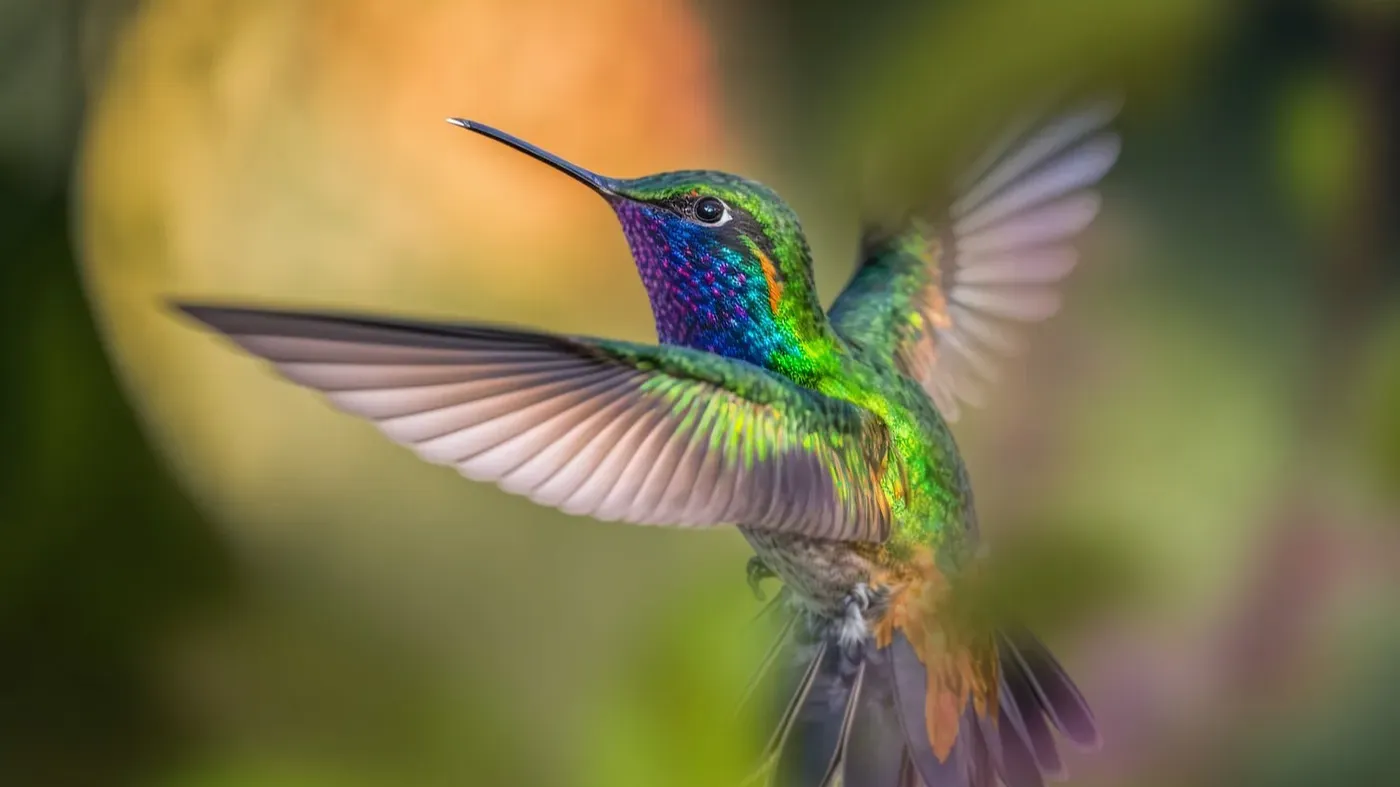
How Grounded Optimism Moves Us Forward
HOPE is a good thing.
Hope is good for the body, for the mind, and it’s good practically-speaking.
Hope helps us manage stress, helps us cope, and makes us happier.
Hope brings peace and signals trust.
Studies show that while hope can be passive in particular contexts, more often it is an forward-looking, active approach to life that moves us closer to who and how we aspire to be.
Hope implies possibility.
Hope motivates and keeps us going.
Scientific frameworks related to how hope functions in the mind and body distinguishes types of hope - primarily Grounded Hope and False Hope:
-
Grounded Hope is anchored in realistic assessment of obstacles. It acknowledges the severity of a situation and finds paths forward.
-
False Hope is based on unrealistic expectations and oftentimes, passive daydreams that are not connected to effort or action.
Grounded hope breeds resilience, patience and a long view which helps facilitate progress. It isn’t related to IQ, occupation or income. It’s about optimism and the persistent belief in what’s possible.
Hope doesn’t ignore facts or make excuses, and hope is not delusional pretending. Hope involves acknowledgement of the truth of a situation while looking toward best ways to carry on.
Poet Emily Dickinson on the Power of Hope
Born to a prosperous Massachusetts family, Emily Dickinson (1830–1886) dazzled and frustrated her teachers with her exceptional originality of thought. She was prolific, reclusive, and is recognized as a foundational figure in modern literature. Dickinson wrote nearly 1,800 intensely emotional, intellectually-sharp poems know for their unique punctuation and brevity.
Dickinson lived most of her life secluded in her home where she read voraciously and penned powerful, often fragmented poems on metaphysics, simplicity, beauty, and death. Hope is a Thing with Feathers (1861) is one of Dickinson’s most widely-read works:
Hope is a Thing with Feathers (1861)
Hope is the thing with feathers That perches in the soul
And sings the tune without the words And never stops at all
And sweetest in the Gale is heard And sore must be the storm
That could abash the little Bird That kept so many warm
I’ve heard it in the chillest land And on the strangest Sea
Yet — never — in Extremity, It asked a crumb of me.
Dickinson shows that like the bird in her poem, hope is an elegant, resilient, beautiful force that perches in the psyche. Like the bird in her poem, hope provides wordless encouragement without expecting anything in return. Hope shores us up and persists through adversity, offering light whatever the circumstances.